
Deciding whether to keep repairing an ageing vehicle or finally scrap my car for cash is a common dilemma for many car owners. At some point, ongoing repairs stop being practical and begin to drain both time and money. Understanding the warning signs early can help you avoid unnecessary expenses and make a smarter decision about your old car.
In this guide, we explore the most common situations where scrapping an old vehicle makes more sense than continuing repairs. These insights are designed to help you assess your car’s condition realistically and choose the most cost-effective option.
Repair Costs Are Higher Than the Car’s Value
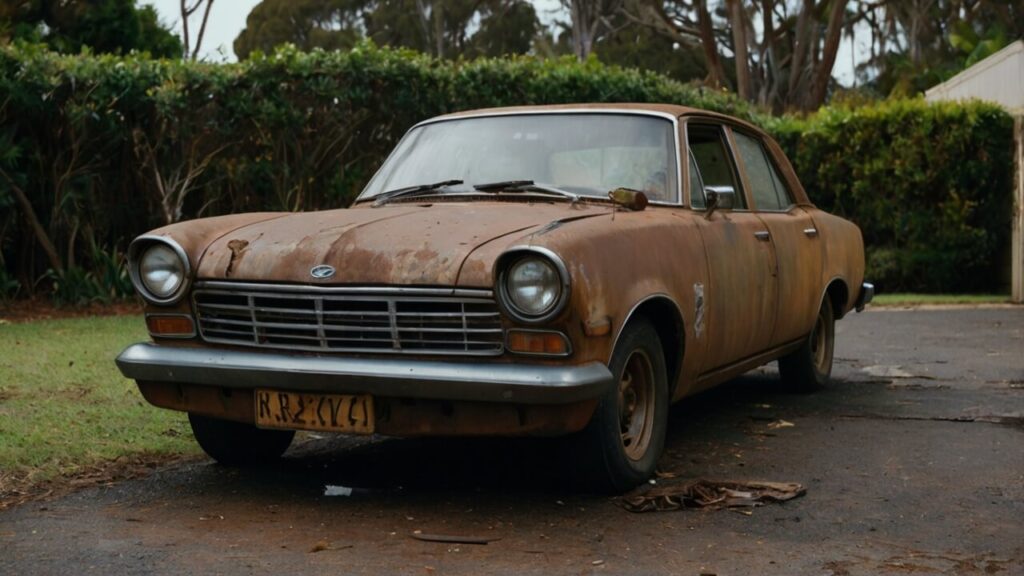
One of the clearest indicators that it may be time to scrap a vehicle is when repair costs exceed the car’s market value. As vehicles age, their resale value declines, while the cost of replacement parts and labour often increases. Investing large amounts into a car that will never recover its value is rarely a wise financial decision.
When this imbalance continues, many owners start considering options such as cash for scrap cars rather than pouring more money into repairs that offer little return.
Constant Mechanical Failures
Frequent breakdowns are more than just an inconvenience. They often indicate that multiple systems are nearing the end of their lifespan. Even after one issue is repaired, another may soon appear, creating a cycle of constant fixes.
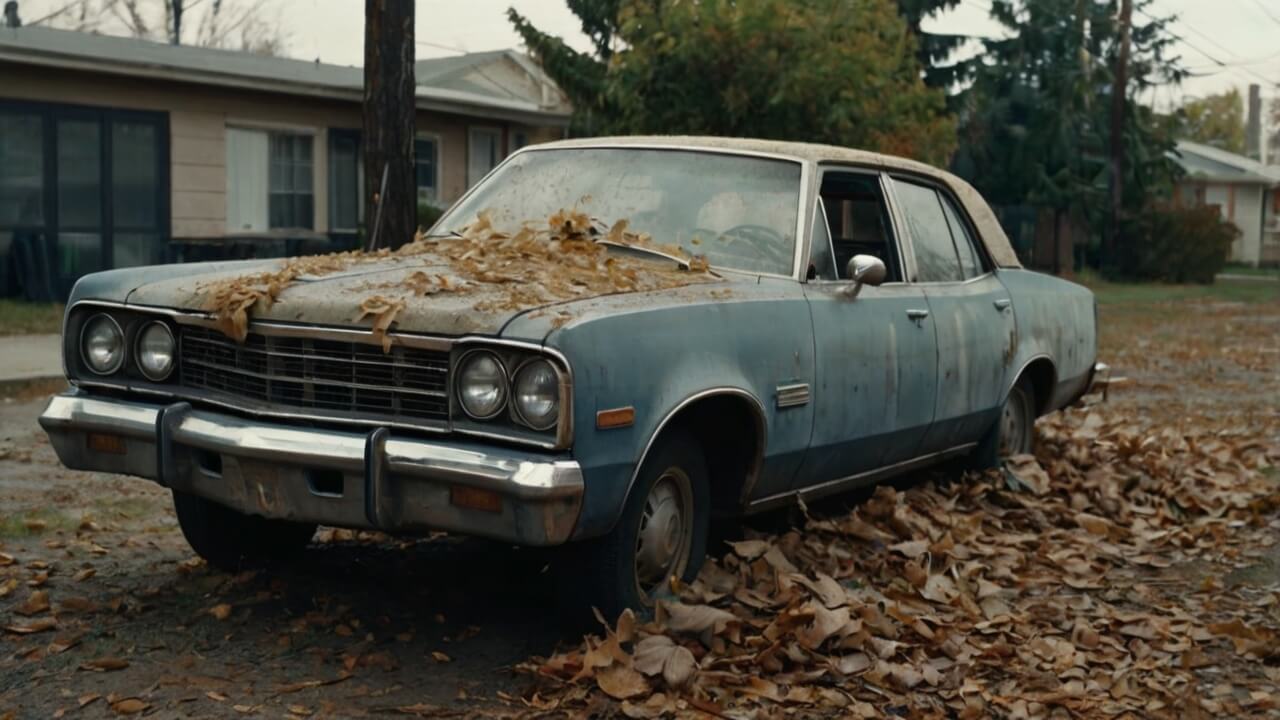
When reliability disappears and confidence in the vehicle drops, choosing to sell car for scrap can be a more predictable and stress-free solution.
The Car Is No Longer Safe to Drive
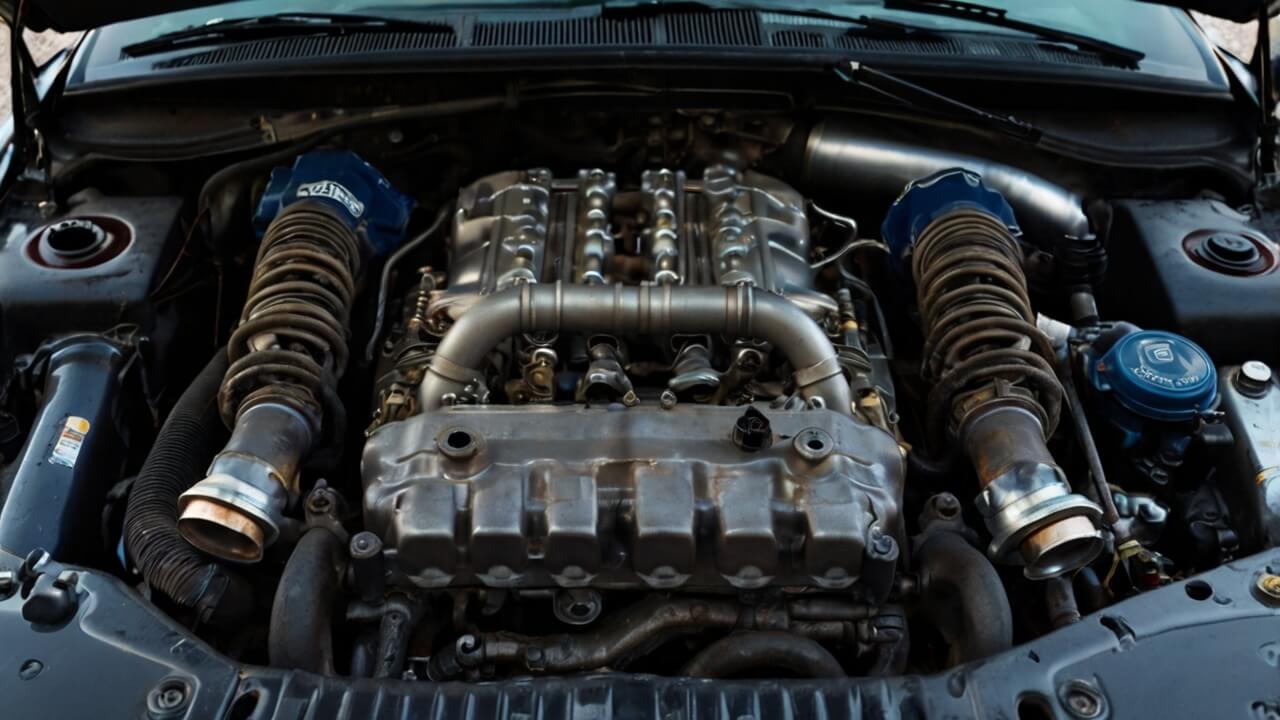
Safety should always be a priority. Structural damage, failing brakes, worn suspension components, or severe rust can compromise a vehicle’s ability to protect its occupants. In some cases, repairs required to restore safety are extensive and costly.
When safety issues persist, scrapping the vehicle becomes a responsible choice rather than continuing to operate a potential hazard.
Failed Roadworthiness or Inspection Tests
Repeatedly failing inspections or roadworthiness tests is a strong signal that a car is reaching the end of its usable life. These failures often highlight multiple underlying problems that may not be economical to repair all at once.
In situations like this, owners often explore scrap car removal as a practical way to resolve compliance issues without ongoing repair attempts.
Major Engine or Transmission Damage
Engine and transmission repairs are among the most expensive fixes a car can require. When these components fail, repair bills can quickly surpass what the vehicle is worth, especially in older models.
Instead of committing to major mechanical overhauls, many owners decide to scrap my car for cash and move on to a more reliable vehicle.
The Car Has Been Written Off After an Accident
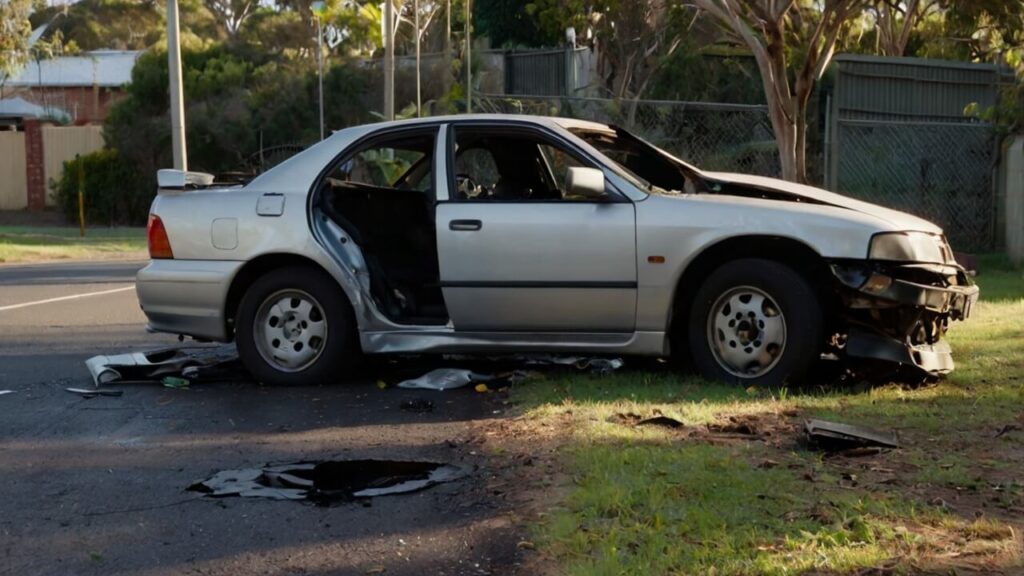
Vehicles involved in serious accidents often suffer structural or frame damage that affects long-term performance and safety. Even if repairs are technically possible, the car may never drive the same again.
In such cases, options related to accident-damaged vehicles, including selling accident cars for cash, become more practical than restoration.
Rising Maintenance and Running Costs
Older cars often consume more fuel, require frequent servicing, and struggle with efficiency compared to newer vehicles. Over time, these ongoing expenses quietly add up.
When running costs continue to rise, scrapping the vehicle can reduce long-term financial strain and eliminate constant upkeep.
Replacement Parts Are Hard to Find
As models age, replacement parts may become scarce or discontinued. This can lead to long delays, inflated prices, and reliance on second-hand components with uncertain reliability.
When parts availability becomes a regular obstacle, scrapping the car may be the most efficient option.
Severe Rust or Structural Corrosion
Rust can weaken a vehicle’s structure and affect critical components. Once corrosion spreads beyond surface areas, repairs become complex and costly, with no guarantee of lasting results.
Structural rust is often a point where owners decide to scrap my car today rather than risk further deterioration.
The Car No Longer Fits Your Needs
Lifestyle changes, work requirements, or family growth can make an older vehicle impractical. If adapting the car to new needs requires significant modifications or repairs, scrapping it may offer a clean break.
At this stage, many owners revisit the idea of scrap my car for cash instead of forcing a vehicle to meet demands it was never designed for.
FAQ - About Scrapping Old Cars
Is scrapping an old car better than repairing it?
Scrapping becomes the better option when repair costs outweigh the vehicle’s value or when safety and reliability are compromised. It allows owners to avoid ongoing expenses while resolving the issue permanently.
Can I scrap a car that no longer runs?
Yes, non-running vehicles are commonly scrapped. Mechanical failure does not prevent a car from being recycled or removed, making it a viable option for vehicles that cannot be driven.
Do I need to repair anything before scrapping my car?
No repairs are required before scrapping. Cars are typically accepted in their existing condition, which eliminates the need for additional spending before disposal.
Ready to Move Forward?
If this guide has helped you decide that scrapping your old car is the right step, you can take action when you’re ready. Simply fill out the contact form below to receive a free, no-obligation quote.
You can also contact us directly at 0430471014 to discuss your options and arrange the next steps with Majad Auto Wreckers.