
Car ownership plays a major role in modern life, but what happens when a vehicle reaches the end of its usable life? In Sydney, the answer increasingly lies in scrap car recycling. As environmental awareness grows and sustainability becomes a priority, recycling old and damaged vehicles is no longer just an option—it is a responsibility. Proper car recycling helps reduce landfill waste, conserves natural resources, and prevents harmful materials from polluting the environment.
Many vehicles that appear unusable still contain valuable metals and components that can be recovered and reused. Eco-friendly car disposal ensures these materials are processed correctly while reducing the overall environmental footprint of the automotive industry. Understanding why recycling matters empowers car owners to make informed, responsible decisions when it is time to let go of an old vehicle.
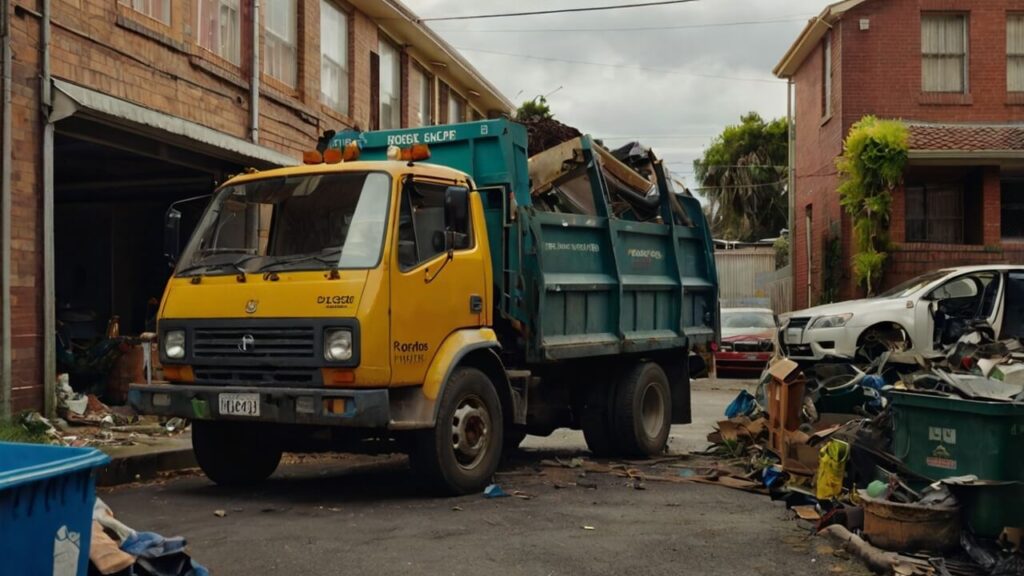
Scrap Car Recycling and Environmental Responsibility
Scrap car recycling is a structured process designed to minimize waste and maximize material recovery. Vehicles contain steel, aluminum, copper, rubber, plastics, and fluids that require proper handling. When cars are abandoned or improperly disposed of, these materials can leak toxins into soil and waterways, contributing to long-term environmental damage.
Through responsible recycling practices, hazardous substances such as engine oil, coolant, brake fluid, and battery acids are safely removed before dismantling begins. This approach not only protects local ecosystems in Sydney but also supports broader environmental goals by reducing the need for raw material extraction. Recycling metals from vehicles uses significantly less energy than mining new resources, leading to lower carbon emissions overall.
Why Eco-Friendly Car Disposal Is Important in Sydney
Sydney is one of Australia’s most populated urban areas, which means vehicle turnover is constant. Without structured car recycling systems, unwanted vehicles would quickly overwhelm landfills. Eco-friendly car disposal ensures old vehicles are processed in a way that aligns with environmental regulations and sustainability standards.
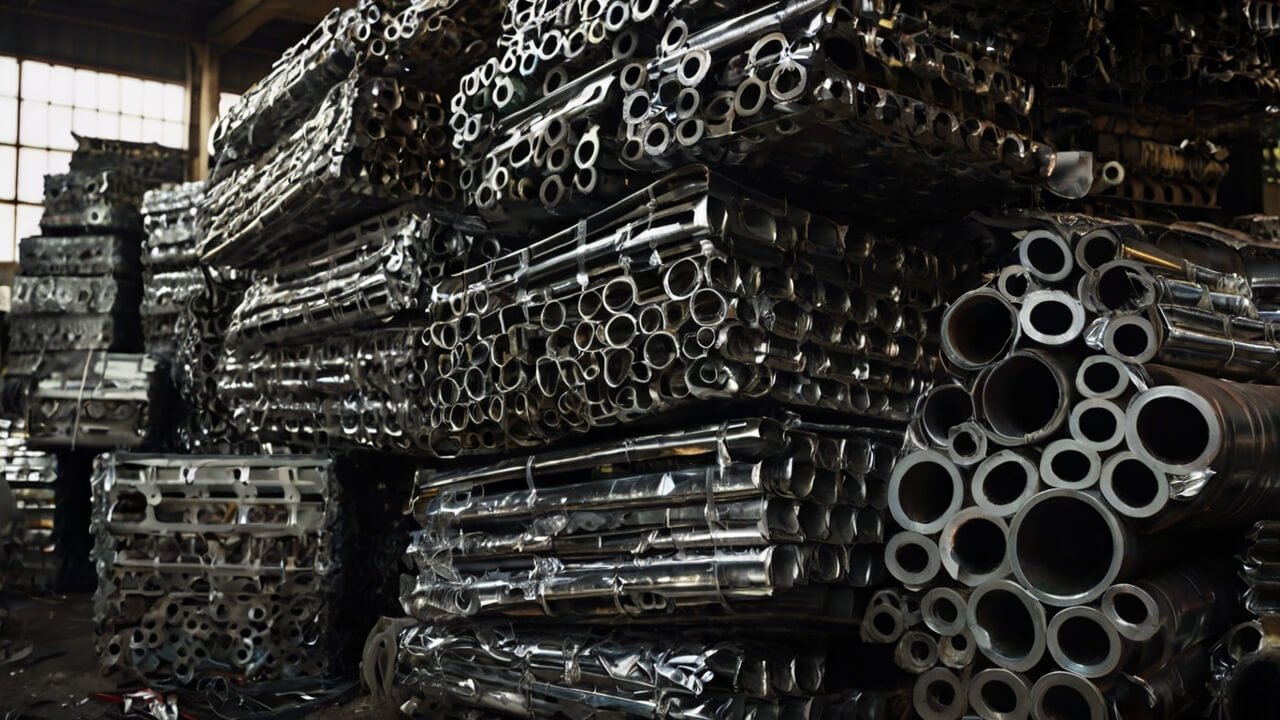
Responsible disposal methods focus on reuse, recovery, and recycling rather than waste. By choosing options that support car recycling Sydney initiatives, residents contribute to cleaner neighborhoods, reduced pollution, and improved land use. Sustainable disposal practices also support the circular economy, where materials are continually reused instead of discarded.
How Scrap Car Recycling Reduces Waste and Pollution
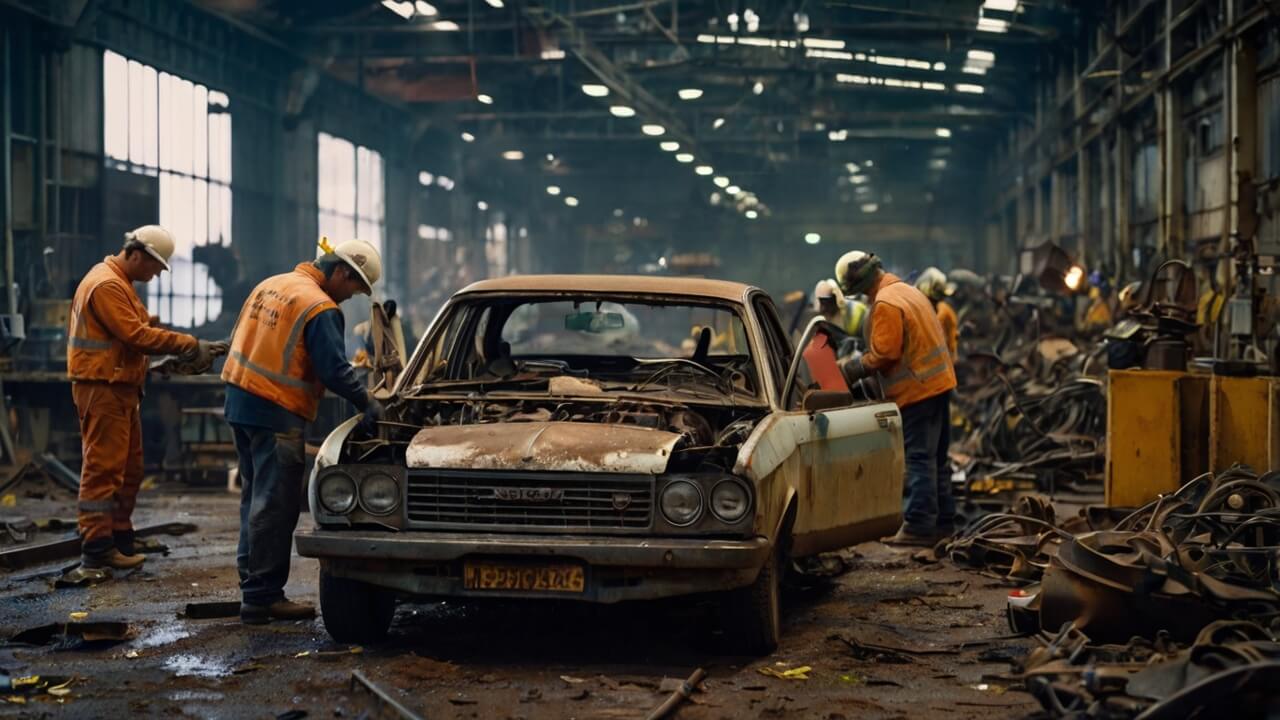
Every recycled vehicle prevents hundreds of kilograms of waste from entering landfills. Steel and aluminum recovered from cars can be reused in manufacturing, construction, and infrastructure projects. This significantly reduces the demand for virgin materials and lowers industrial pollution.
Additionally, recycling reduces air and water contamination. Proper dismantling prevents fuel residues and oils from seeping into the ground, protecting Sydney’s waterways and green spaces. The benefits extend beyond waste reduction, contributing to healthier communities and a more sustainable urban environment.
The Role of Scrap Vehicle Pickup in Sustainable Recycling
Scrap vehicle pickup plays an essential role in making recycling accessible and efficient. Many car owners delay disposal because moving an old or damaged vehicle can be difficult. Organized pickup services ensure vehicles are transported safely to recycling facilities without environmental risk.
This process supports responsible scrap car recycling by ensuring vehicles enter the correct recycling stream. It also discourages illegal dumping, which is a major contributor to environmental degradation in urban and suburban areas around Sydney.
Recycling Old Vehicles Supports Resource Conservation
When people recycle old cars, they help conserve natural resources that would otherwise be consumed in manufacturing new materials. Steel recovered from vehicles can be reused repeatedly without losing strength, making it one of the most sustainable materials available.
Choosing to recycle old cars reduces energy consumption across multiple industries. From mining to manufacturing, every stage benefits when recycled materials replace raw resources. This conservation mindset is essential for long-term environmental stability.
Economic and Environmental Balance Through Car Disposal for Cash
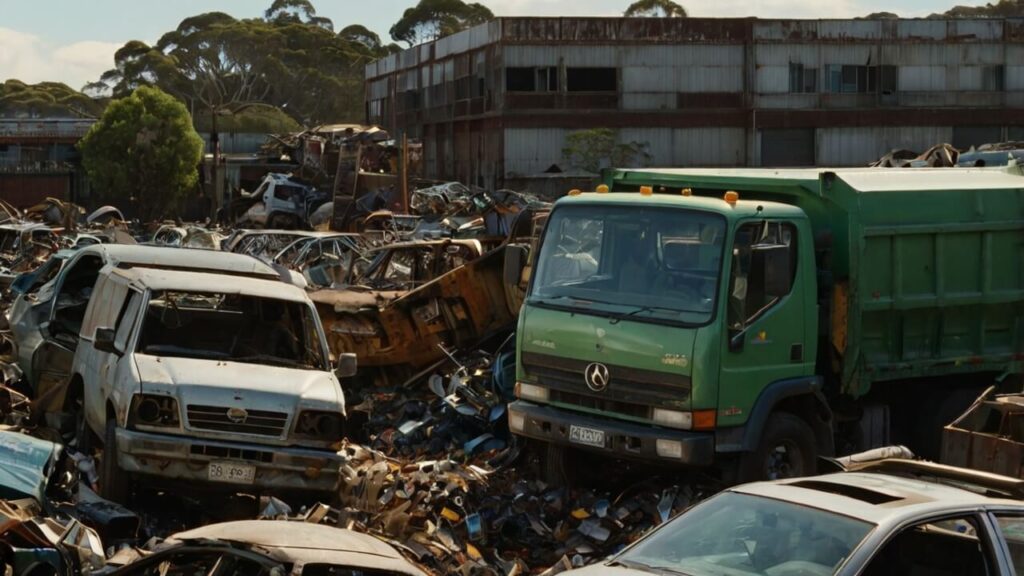
While environmental protection is the primary goal, responsible recycling also has economic implications. Car disposal for cash encourages vehicle owners to recycle rather than abandon unwanted cars. This approach supports the recycling industry while motivating proper disposal practices.
By integrating environmental responsibility with financial incentives, recycling programs create a practical solution that benefits both individuals and the broader community. This balance ensures sustainability efforts remain effective and widely adopted.
Car Recycling Sydney and Local Community Impact
Car recycling Sydney initiatives contribute directly to cleaner streets and reduced visual pollution. Abandoned vehicles not only harm the environment but also reduce neighborhood appeal and safety. Recycling helps maintain orderly urban spaces while supporting environmental standards.
Local recycling operations also create jobs and support the green economy. Skilled workers are needed to dismantle vehicles, recover materials, and manage waste responsibly. This creates a positive economic ripple effect alongside environmental benefits.
How Sustainable Recycling Helps Different Vehicle Types
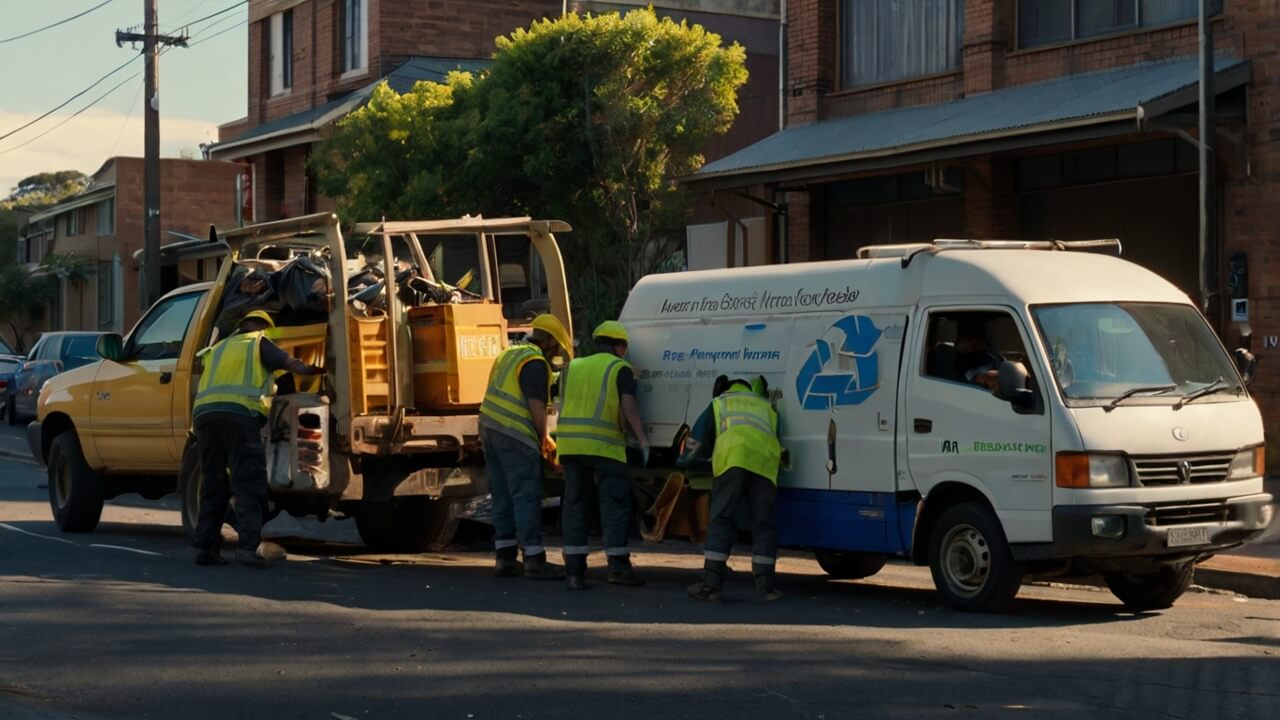
Not all vehicles reach the end of their life in the same condition. Some are damaged, others are outdated, and many are no longer roadworthy. Sustainable recycling processes can handle a wide range of vehicles, including unwanted cars, vans, trucks, and four-wheel drives.
Each category requires specific handling methods to maximize recovery and minimize waste. This adaptability makes scrap car recycling a comprehensive solution for managing end-of-life vehicles across Sydney.
Understanding the Full Lifecycle of a Recycled Car
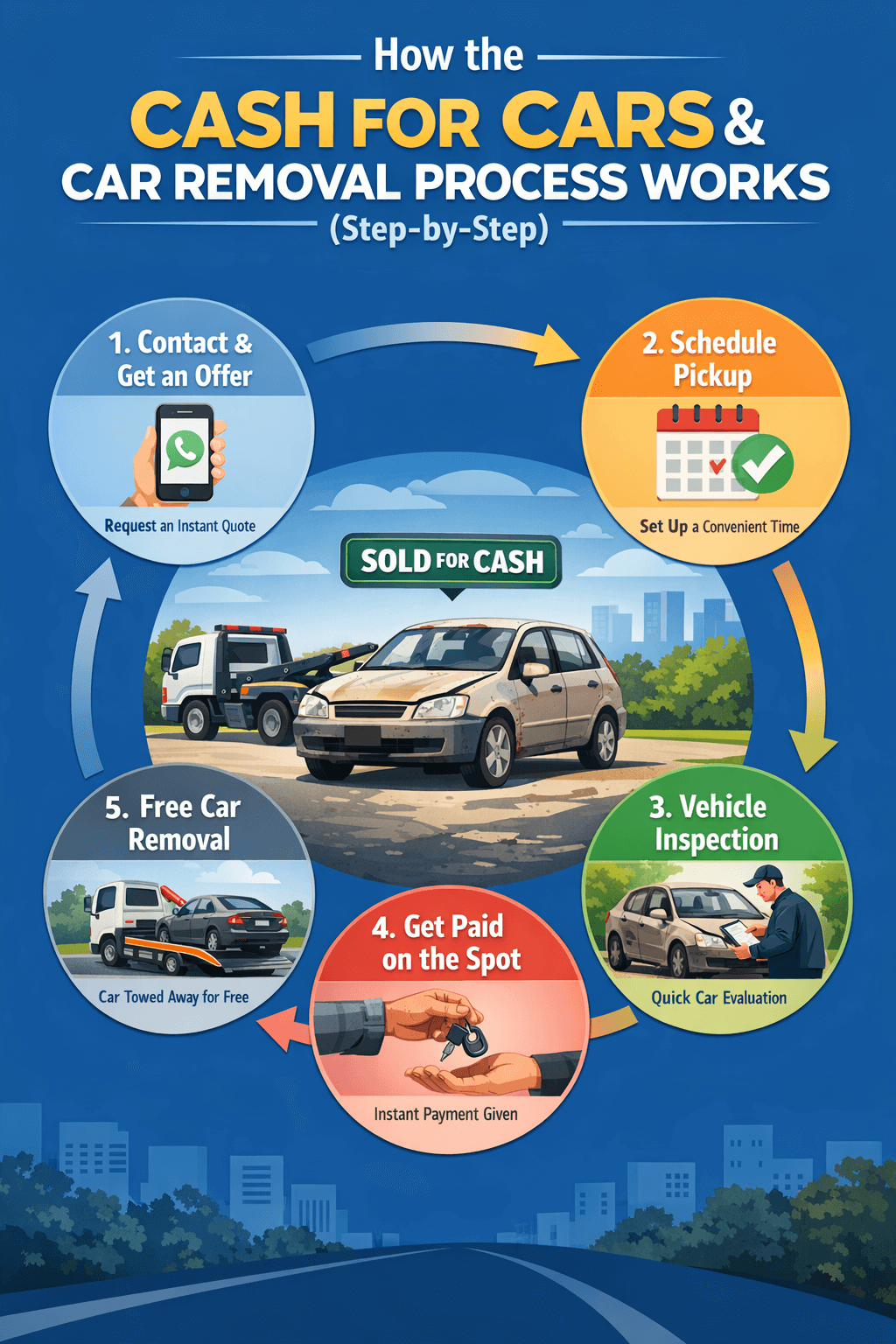
The recycling journey begins with proper assessment and safe dismantling. Fluids are drained, reusable components are removed, and materials are sorted for processing. Metals are crushed and sent to smelters, while plastics and rubber are repurposed where possible.
This lifecycle approach ensures minimal waste and maximum reuse. Each recycled vehicle represents a reduction in environmental impact and a step toward sustainable resource management.
Internal Resources Related to Car Recycling
For readers interested in learning more about vehicle recycling and disposal options, additional information can be found on topics such as scrap cars in Sydney and junk car recycling services. These resources provide further insights into how different vehicle types are handled responsibly.
FAQ - About Car Recycling in Sydney
Why is scrap car recycling important for the environment?
Scrap car recycling reduces landfill waste, prevents toxic leaks, and conserves valuable resources such as steel and aluminum. It also lowers energy consumption compared to producing new materials from raw resources.
By recycling vehicles responsibly, communities can significantly reduce pollution while supporting long-term environmental sustainability.
Can all old vehicles be recycled?
Most vehicles can be recycled regardless of age or condition. Even severely damaged or non-running cars contain materials that can be recovered and reused.
Proper recycling ensures each component is handled safely and efficiently, minimizing environmental impact.
How does recycling old cars help reduce carbon emissions?
Recycling metals requires far less energy than mining and refining new materials. This energy reduction directly lowers greenhouse gas emissions.
When recycling becomes standard practice, the cumulative environmental benefit is substantial.
Ready to Dispose of Your Car the Eco-Friendly Way?
Fill out the contact form below to learn how sustainable car recycling works and how Majad Auto Wreckers can help. You can also contact us at 0430471014 for more information.